
When you feel a change in your heartbeat, it’s easy to focus only on the physical. But what if there’s more to the story? This guide explores what your heart’s rhythm is trying to tell you, moving beyond the purely medical view to understand the energetics of arrhythmias and the nervous system’s profound role in your heart’s health and rhythm.
Prefer to watch? I’ve put my video below or if you prefer to read simply scroll below.
Viewing Your Body as a Communicator
Your body is an incredible communicator, not a broken machine. Every organ, system, and sensation constantly adapts to help you survive, regulate, and maintain balance. Symptoms like arrhythmia are not signs that your body is working against you, but rather that it is continually trying to work for you through complex adaptations.
From a medical perspective, arrhythmia is a condition where the heart’s electrical rhythm changes, causing it to beat faster, slower, or irregularly. There are many potential causes, including structural heart conditions, hormonal changes, electrolyte imbalances, medications, and genetics. But when we look through an energetic lens, a different question emerges.
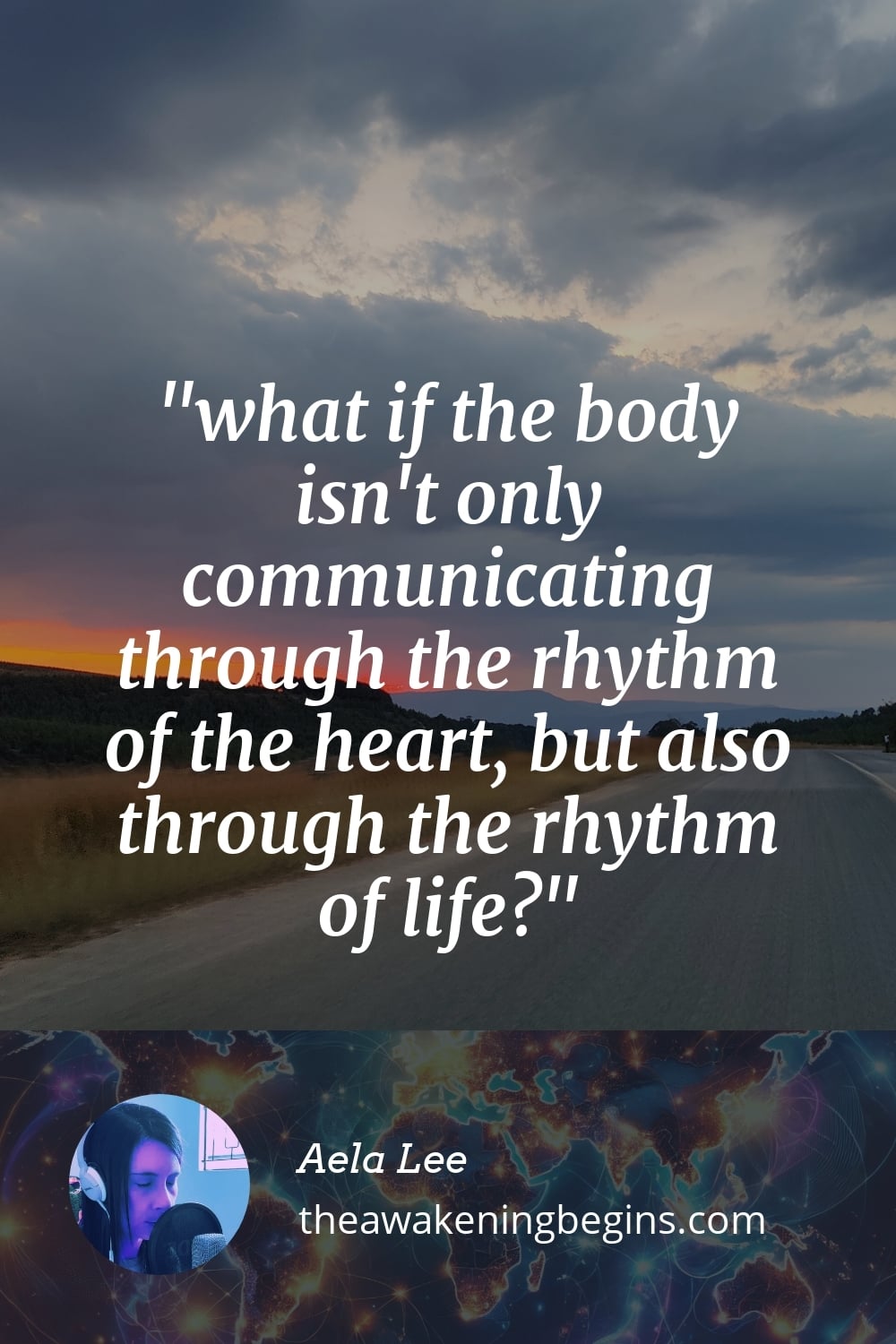
What if the body isn’t only communicating through the rhythm of the heart? What if it is also communicating through the rhythm of life?
What Your Heart’s Rhythm Is Trying To Tell You About Safety
The energetics of arrhythmia are deeply connected to the autonomic nervous system and key energy centers. Your heart rhythm is not just a mechanical process but a reflection of how safe your nervous system feels. It is constantly responding to movement, breathing, stress, rest, and your perception of the world around you.
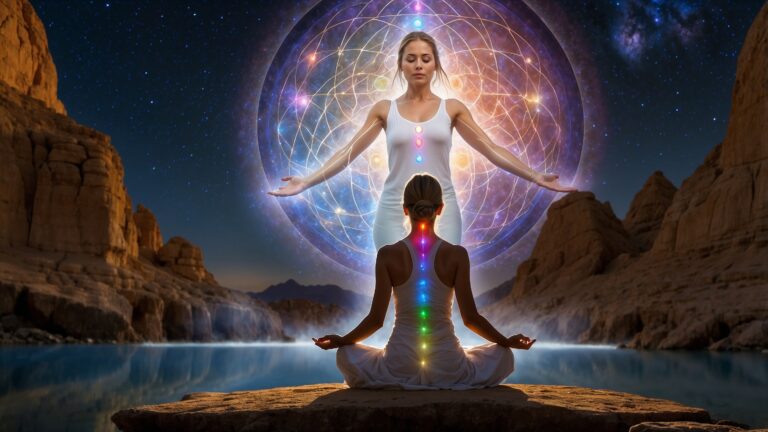
The Role of the Heart and Root Chakras
Two primary chakras are associated with the heart’s rhythm and its connection to your sense of safety.
- The Heart Chakra This energy center represents more than just love. It governs emotional integration, coherence, and our ability to remain centered as life changes around us.
- The Root Chakra The cardiovascular system is immediately tied to our survival responses. Your heart responds every time your nervous system perceives safety or threat, speeding up to mobilize and slowing down to recover.
This connection invites us to become curious about whether the nervous system has spent years remaining highly adaptive and alert, constantly monitoring the environment to feel safe. The heart’s rhythm may be reflecting this state of high alert.
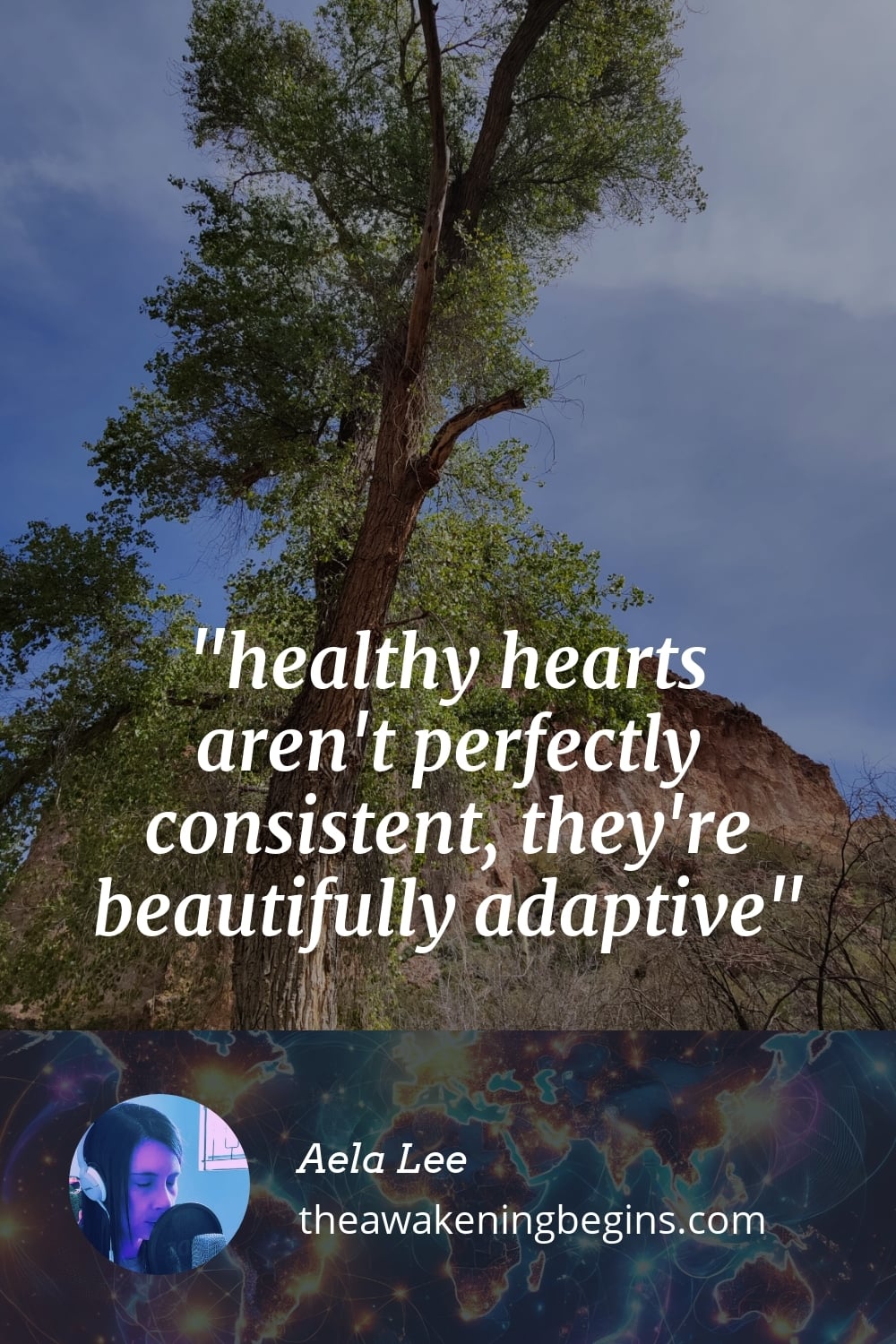
Healthy hearts aren’t perfectly consistent. They’re beautifully adaptive.
A Simple Practice to Reassure Your Nervous System
Instead of trying to control or fix your body, you can use a simple practice to remind your nervous system that it is supported in the present moment. This exercise helps to create a feeling of inner safety, allowing the body to regulate itself more naturally. It’s not about control, but connection.
- Place one hand on your heart and the other hand over your lower abdomen.
- Allow your breathing to gradually lengthen, focusing especially on a slow, gentle exhale.
- Simply notice your heartbeat without judging it or trying to change it.
- At the same time, feel your feet resting firmly on the ground beneath you.
You can also introduce a conscious intention to support this process. Silently repeat to yourself, “I choose to experience life through steady inner safety.” This statement doesn’t fight against the body. Instead, it gently introduces a new possibility that the nervous system can begin to integrate over time.
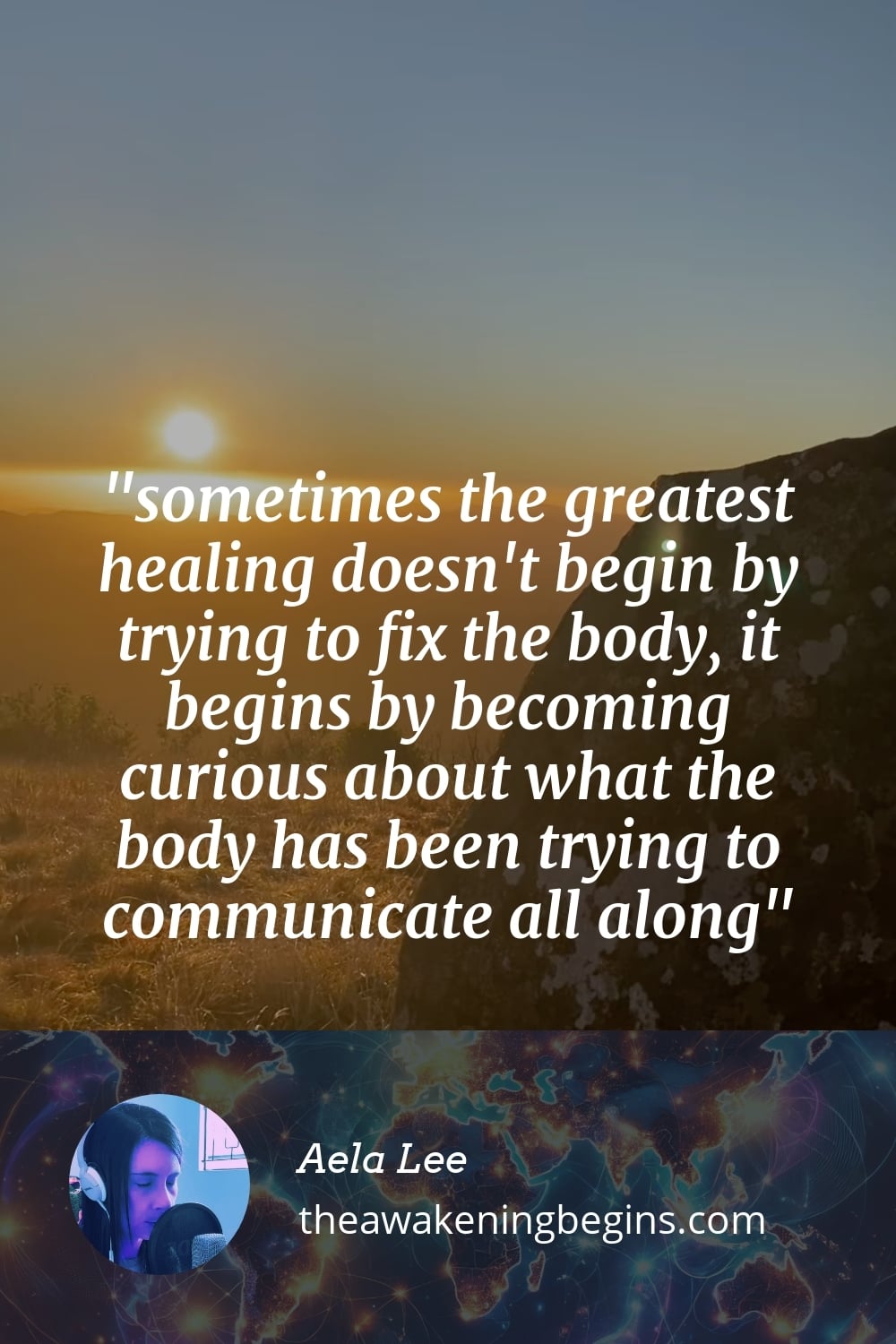
Sometimes the greatest healing begins not by trying to fix the body, but by becoming curious about what it has been faithfully trying to communicate all along. If you want to explore this work on a deeper level, you can find information about our live training events to help you get started. You can learn more and see the schedule for the next Ignite Your 13 Chakra Blueprint event here.
Frequently Asked Questions
What is arrhythmia from an energetic perspective?
Energetically, arrhythmia can be seen as the body communicating through the rhythm of life, not just the heart. It often reflects a nervous system that has learned to remain in a highly adaptive or alert state to feel safe in an uncertain environment. The heart’s rhythm is a direct response to these deep-seated patterns of safety and threat perception.
Which chakras are connected to heart rhythm?
The two main chakras involved are the heart chakra and the root chakra. The heart chakra governs emotional integration and our ability to stay centered. The root chakra is tied to our core survival instincts, and since the cardiovascular system is central to the fight-or-flight response, any perceived threat immediately impacts the heart.
What is a simple practice to support nervous system regulation?
A simple and effective practice is to place one hand on your heart and the other on your lower abdomen. Focus on lengthening your exhale while feeling your feet on the ground. This helps to ground your energy and send a signal of safety and support to your nervous system without trying to force a change.