
I learned that a constantly changing heart rhythm, known as high Heart Rate Variability (HRV), is the number one sign of resilience, not a steady one as commonly believed. The incredible news is that you can unlock your resilience with this simple breathing trick and train this vital biomarker in just 60 seconds, bringing your heart and brain into a state of coherence.
Prefer to watch? I’ve put my video below or if you prefer to read simply scroll below.
What is Heart Rate Variability (HRV)?
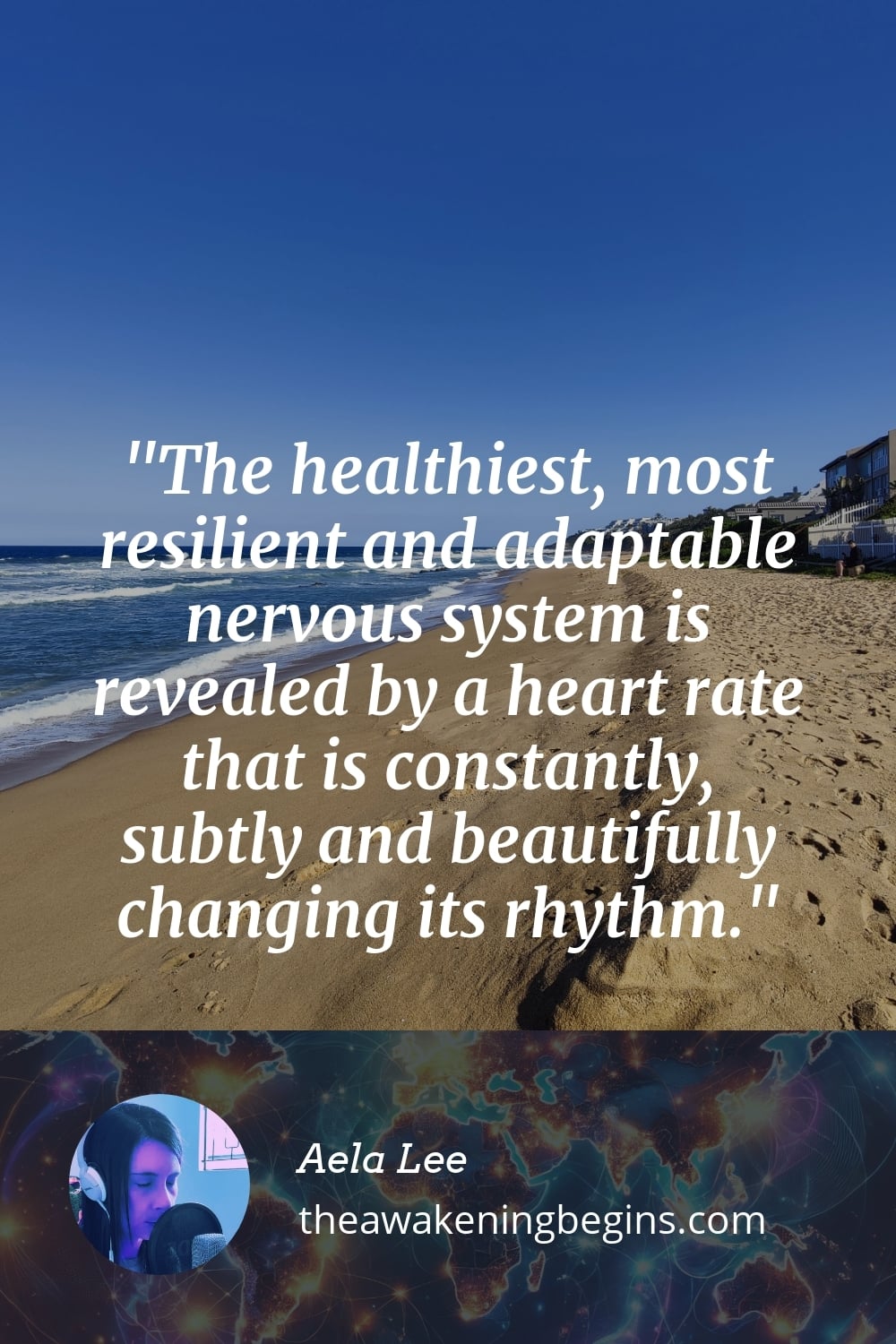
Heart Rate Variability, or HRV, is the measurement of the variation in time between each of your heartbeats. A healthy, adaptable nervous system is revealed by a heart rate that is constantly and subtly changing its rhythm with every single breath. This variability is a key indicator of your physiological and emotional well-being.
We often think that a healthy heart operates like a metronome with a perfectly steady beat. However, science shows the exact opposite is true. The most resilient individuals have a heart rate that is highly adaptable and variable. This signifies that your nervous system can skillfully shift from a state of stress to a state of calm, much like a race car driver easily changing gears.
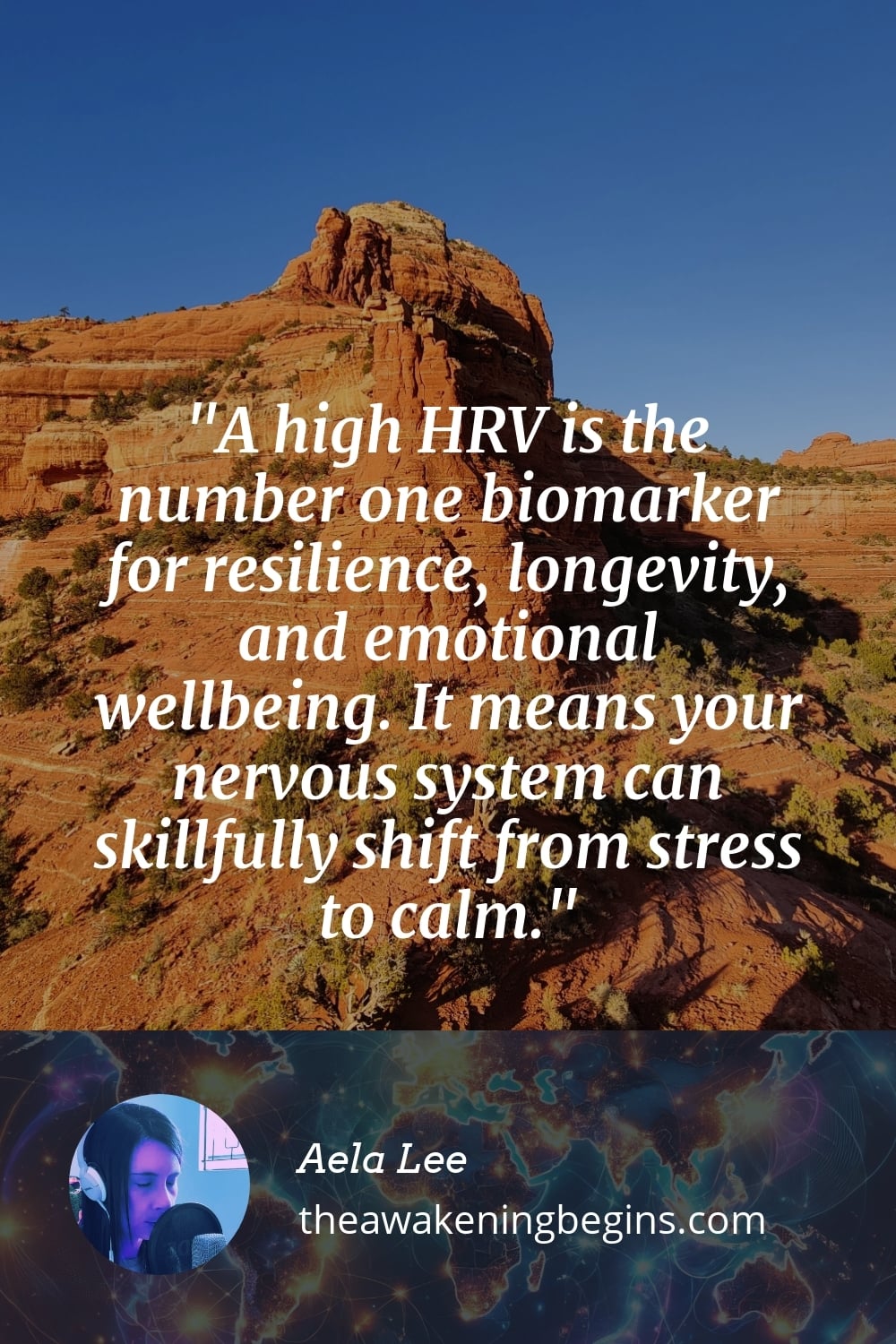
A high HRV is the number one biomarker for resilience, longevity, and emotional wellbeing. It means that your nervous system can skillfully shift from stress to calm.
The Difference Between High and Low HRV
A high HRV score indicates that your nervous system is balanced and capable of adapting to stress effectively. In contrast, individuals with a low HRV tend to get stuck in a state of stress. They can become easily overwhelmed by daily challenges and often take a much longer time to recover from stressful events.
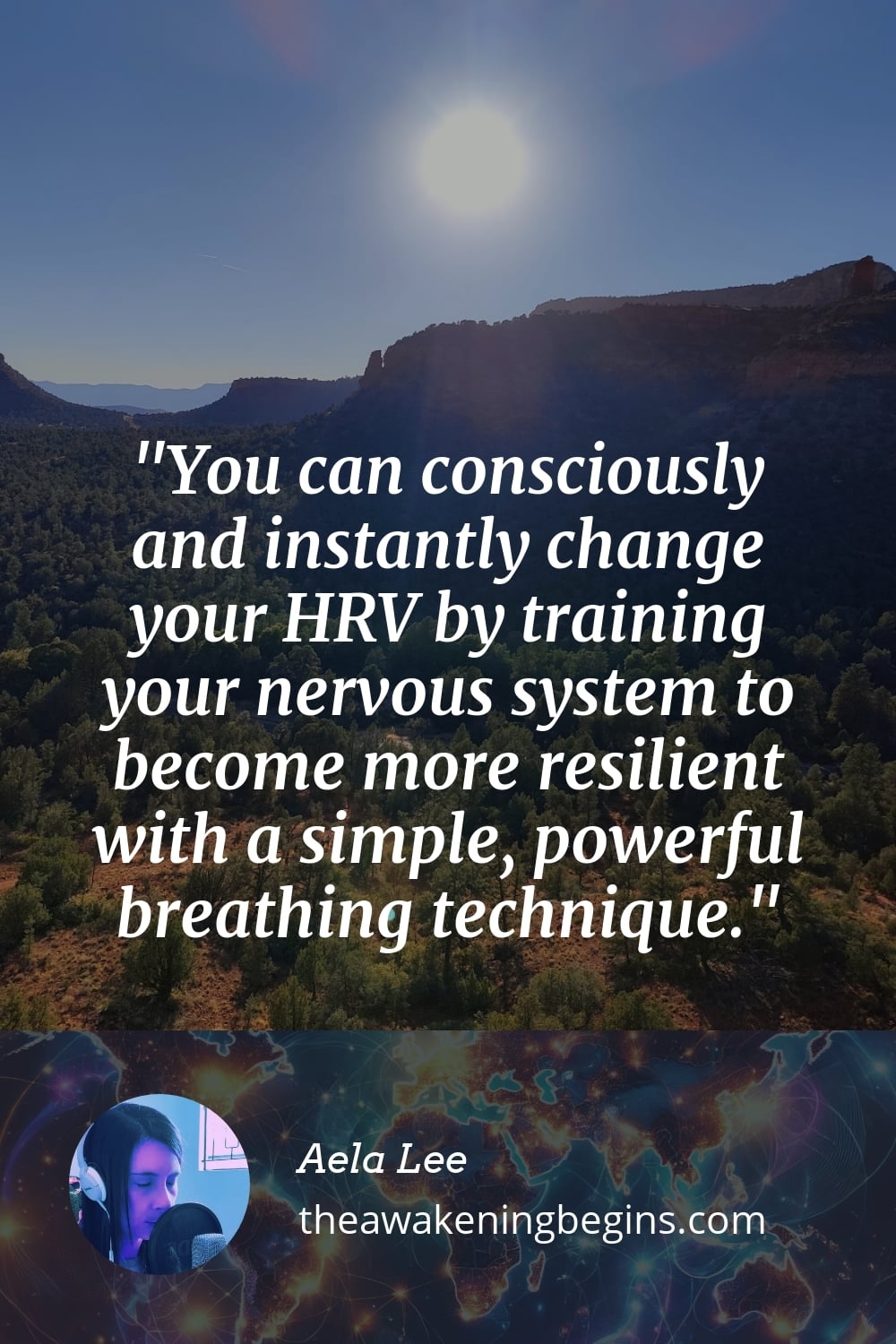
The good news is that this is not a fixed state. You have the power to consciously and instantly change your HRV. By training your nervous system, you can build your capacity for resilience using a simple yet powerful tool that connects your heart and your mind.
Unlock Your Resilience With This Simple Breathing Trick
You can instantly improve your HRV and bring your heart and brain into coherence with a targeted breathing technique. This exercise is a bridge that shifts your biology from a state of chaos to a state of order in just 60 seconds. Follow these simple steps to take conscious control of your heart rhythm.
- Focus Your Awareness. Place your hands on your heart. This simple physical touch helps to center your awareness on your heart center.
- Begin Box Breathing. Start to breathe in a balanced rhythm. Inhale for a count of five, hold your breath for a count of five, and then exhale for a count of five. Let’s try it together. Breathe in 1, 2, 3, 4, 5. Hold 1, 2, 3, 4, 5. Exhale 1, 2, 3, 4, 5.
- Visualize and Feel. As you breathe, imagine your breath flowing in and out of your heart. To amplify the effect, cultivate a strong feeling of gratitude or appreciation. Think of a pet, a loved one, or a beautiful memory that fills you with that positive emotion.
- Continue for 60 Seconds. Carry on with this breathing pattern and heartfelt emotion for about one minute. In this short time, you consciously take control of your heart rhythm and shift your entire biology into a more resilient state.
It sounds simple, but the key is remembering to actually do it when you need it most. By practicing this technique, you build the foundation for lasting emotional and physiological resilience. For those looking to explore energy mastery and personal growth further, you may want to check the schedule for our Ignite Your 13 Chakra Blueprint training.
Frequently Asked Questions
What is the best indicator of a resilient nervous system?
A high Heart Rate Variability (HRV) is the number one biomarker for a resilient and adaptable nervous system. It signifies your body’s ability to efficiently manage stress and transition into a calm state. A constantly changing heart rhythm is healthier than a steady, metronome-like beat.
What does a low HRV mean?
A low HRV suggests that a person’s nervous system may be stuck in a state of stress or “fight-or-flight” mode. Individuals with low HRV can get overwhelmed more easily and generally take longer to recover from stressful situations. This indicates a lower level of resilience to daily pressures.
How can I improve my HRV quickly?
You can instantly and consciously improve your HRV with a simple breathing exercise. By breathing in for five counts, holding for five, and exhaling for five while focusing on a feeling of gratitude, you can shift your body from chaos to coherence in just 60 seconds. This practice trains your nervous system to become more resilient.