Is the ‘control’ that made you successful now the very thing that’s holding you back? For many high-achievers, there comes a point where the strategies that built momentum begin to create resistance. This exploration into the shift from control to true leadership reveals how to evolve beyond forceful management into a state of aligned, sustainable success, impacting not just your work, but your health, relationships, and inner peace.
Prefer to watch? I’ve put my video below or if you prefer to read simply scroll below.
The Early Advantages of Control
In the beginning, control is an effective tool for growth and achievement. It allows you to build essential structure, establish high standards, and generate powerful momentum. By taking decisive action and carrying heavy responsibility, you create an edge that serves you well for a long time. This approach enables you to move quickly and decide with clarity.
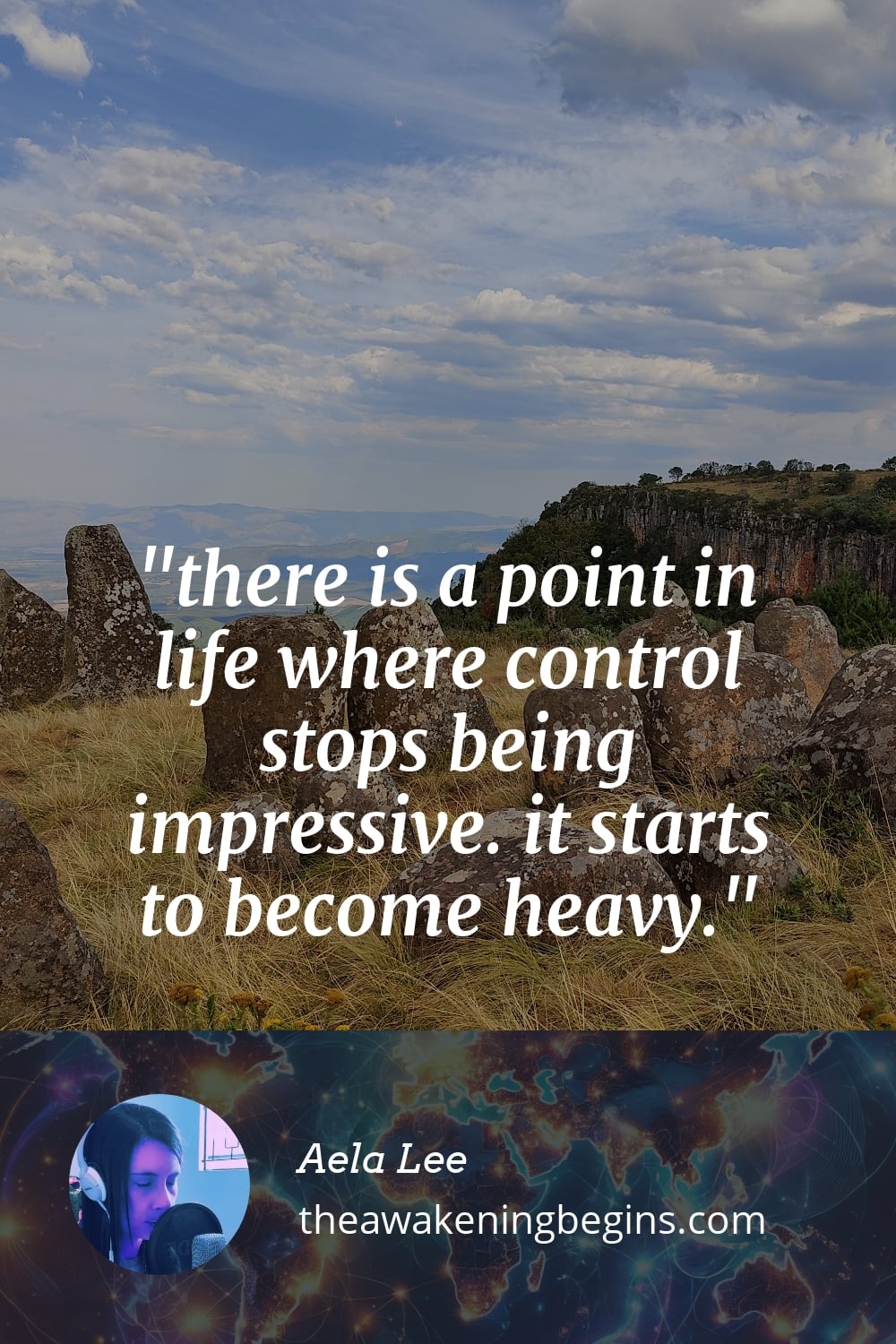
There is a point in life where control stops being impressive. It starts to become heavy.
When Tightening Your Grip Creates Tension
Eventually, a fundamental shift occurs where control yields diminishing returns. The tighter you hold on, the more tension you feel throughout your system. As you become more competent, you may unconsciously allow fewer people to challenge you, and the constant need to anticipate everything leaves little room for genuine rest and recovery.
This is the critical turning point. The question evolves from “How do I manage more?” to “How do I hold more without tightening my grip?” Recognizing this transition is the first step toward a more advanced form of leadership and personal well-being.
Defining The Shift From Control To True Leadership
The highest level of leadership is not defined by control, but by steadiness. This evolution is marked by a profound internal shift away from force and toward a state of being that is both powerful and peaceful. It is about embodying qualities that allow you to expand your capacity without gripping tighter, creating a sustainable foundation for success.
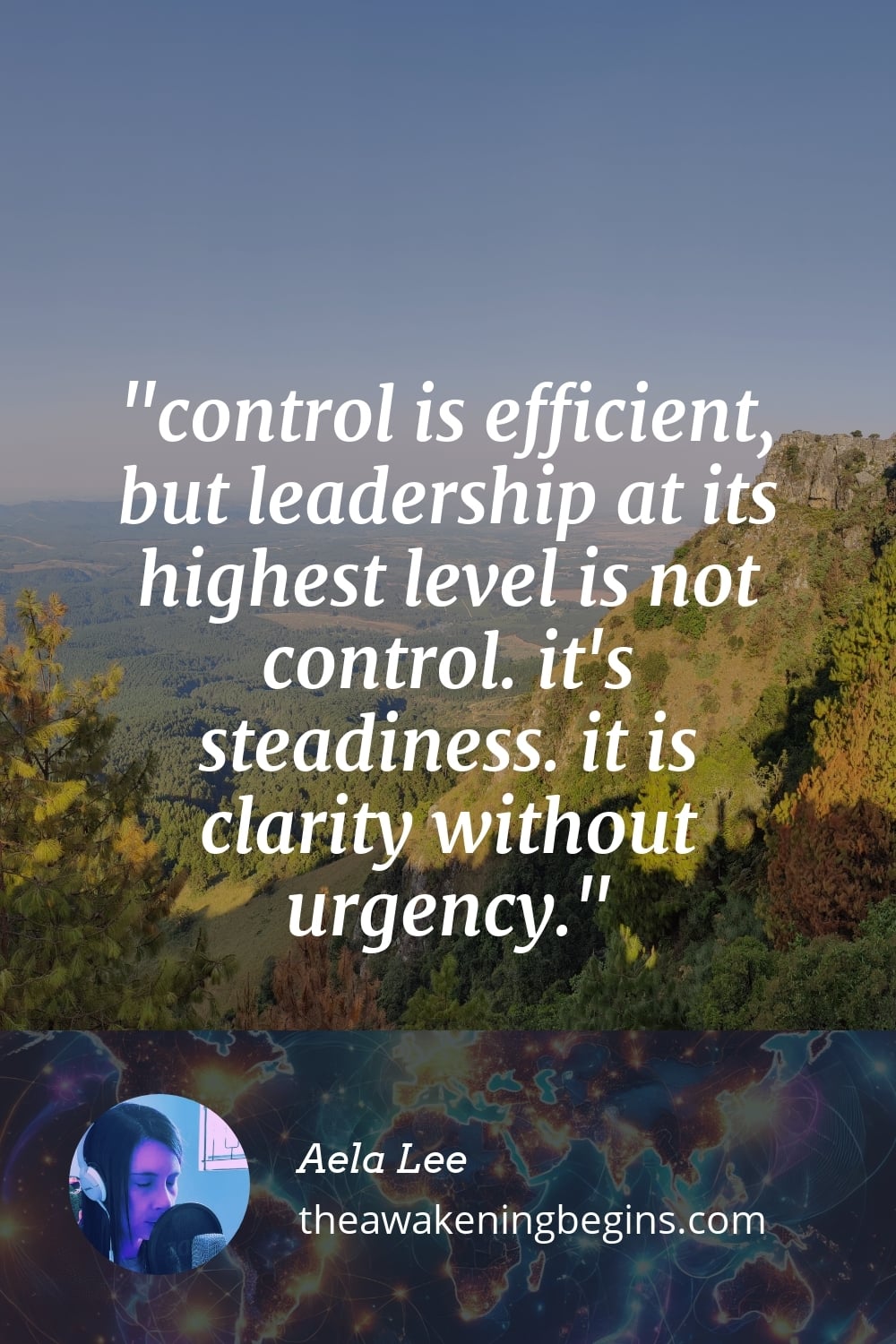
Control is efficient, but leadership at its highest level is not control. It’s steadiness. It is clarity without urgency. It is strength without pressure, it is ability to expand without gripping.
True leadership embodies several key attributes that stand in contrast to pure control.
- Steadiness instead of constant management.
- Clarity without urgency, allowing for thoughtful decisions.
- Strength without pressure, projecting confidence that inspires.
- Expansion without gripping, creating space for growth and collaboration.
Sustaining Success Through Regulation and Stability
This subtle yet profound shift touches every area of your life. It impacts your health, your relationships, and the way people experience your presence. While you can certainly build an enterprise from control and grow from pressure, true, lasting success is sustained from regulation and thrives in stability. This is the difference between building from force and living from alignment at scale.
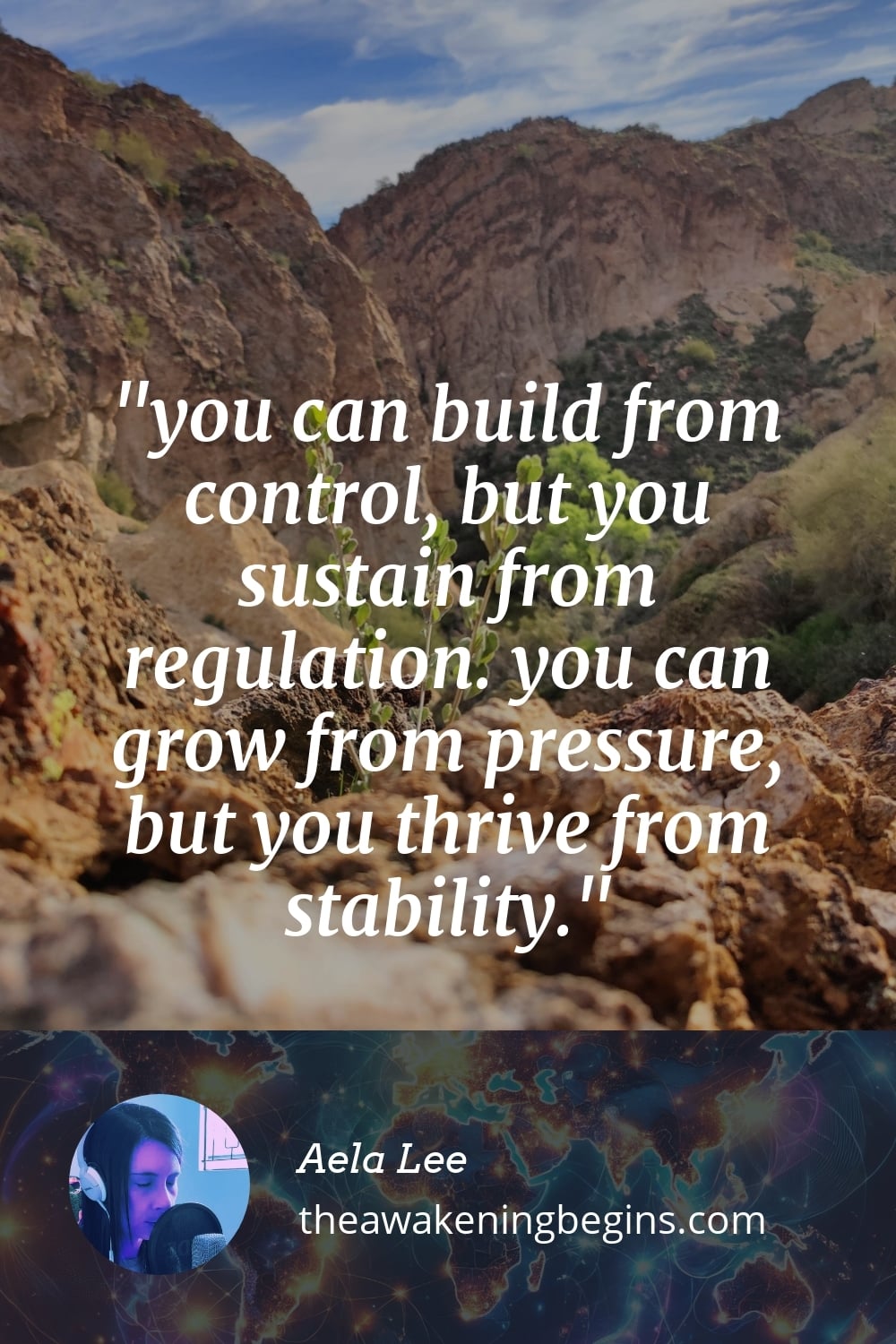
You can build from control, but you sustain from regulation. You can grow from pressure, but you thrive from stability.
If you are ready to explore this next level of work and transition from forceful control to aligned leadership, we invite you to connect with us. You can schedule a call to see how we can support you in this powerful journey of personal and professional evolution.
Frequently Asked Questions
What is the main difference between control and true leadership?
Control is about forceful management and efficiency, while true leadership is about embodying steadiness, clarity without urgency, and strength without pressure. Leadership focuses on expanding capacity without creating tension.
Why does a control-based approach eventually stop working?
A control-based approach eventually becomes heavy and creates constant tension. It limits genuine rest by fostering a need to anticipate everything, which ultimately restricts your ability to grow and adapt.
How does shifting from control to leadership affect your life?
This shift positively impacts your health, relationships, and how you experience yourself. It allows you to sustain what you have built from a place of regulation and thrive from stability rather than constantly operating under pressure.