Have you ever tried to let go of something, only to find it feels impossible? I just learned that letting go is an actual biological process, not just a mindset shift, and understanding the neuroscience of letting go changes everything. This process, known as synaptic pruning, reveals that we might be trying to solve a hardware problem with a software command. Has anyone here stopped ‘fighting’ old thoughts and focused on this biological approach instead?
Prefer to watch? I’ve put my video below or if you’re a reader simply continue reading the post.
Understanding Neural Pathways: Your Brain’s Hardware
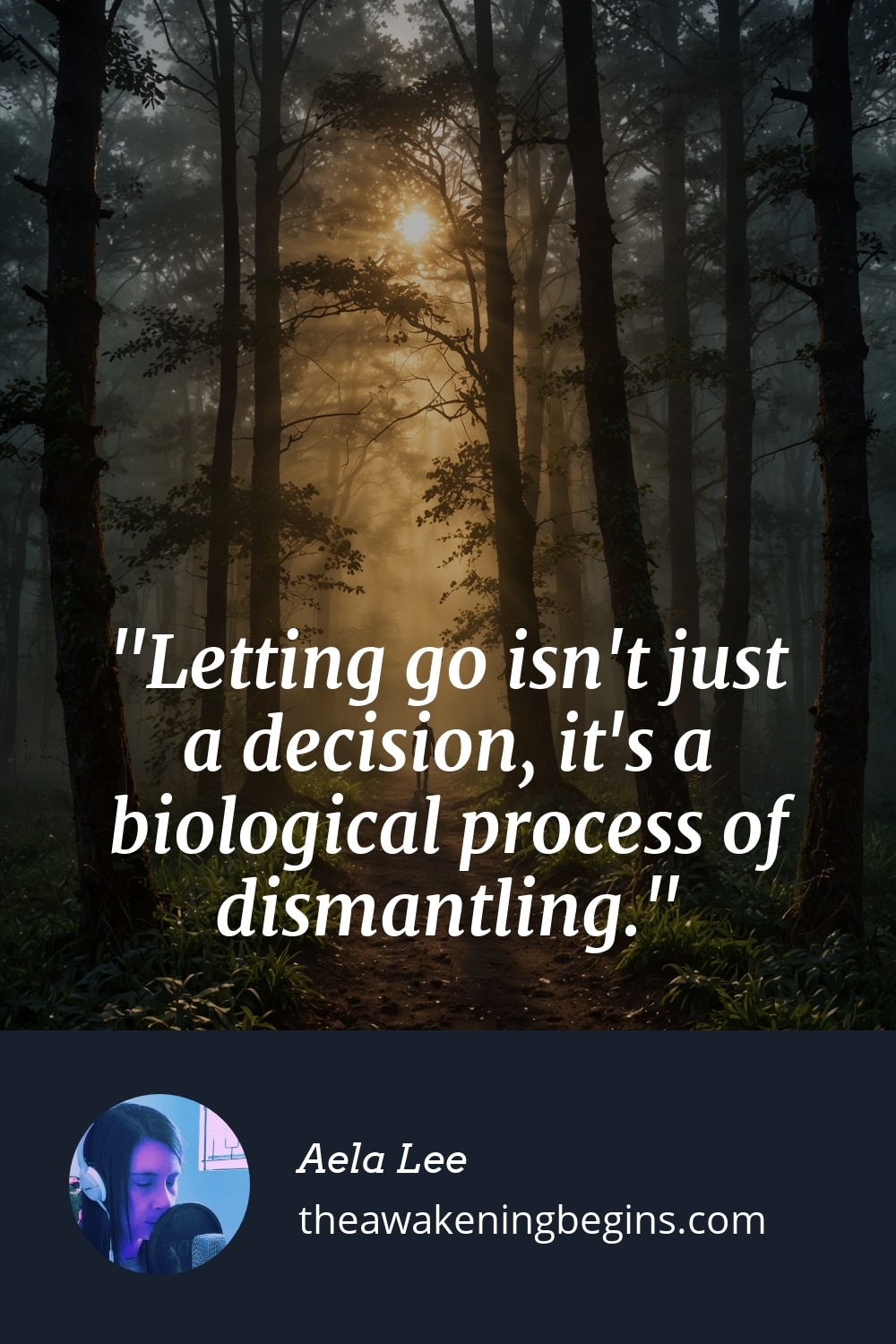
Every single thought, belief, and memory you hold exists as a physical connection between neurons in your brain. Think of these as neural pathways. The more you focus on something, whether it’s a past hurt, an old identity, or a limiting belief, the stronger that specific neural pathway becomes. This is why just deciding to “let go” can feel like an uphill battle. It’s not just a decision; it’s a biological process of dismantling a well-established physical structure.
Synaptic Pruning: Your Brain’s Built-In Cleaning Crew
Fortunately, your brain has a built-in mechanism for this dismantling process. It’s called synaptic pruning. During sleep and states of deep rest, your brain cleans house. It systematically weakens and removes the neural connections that are used less frequently. This makes room for new, more relevant connections to form. It is, quite literally, a case of “use it or lose it.”
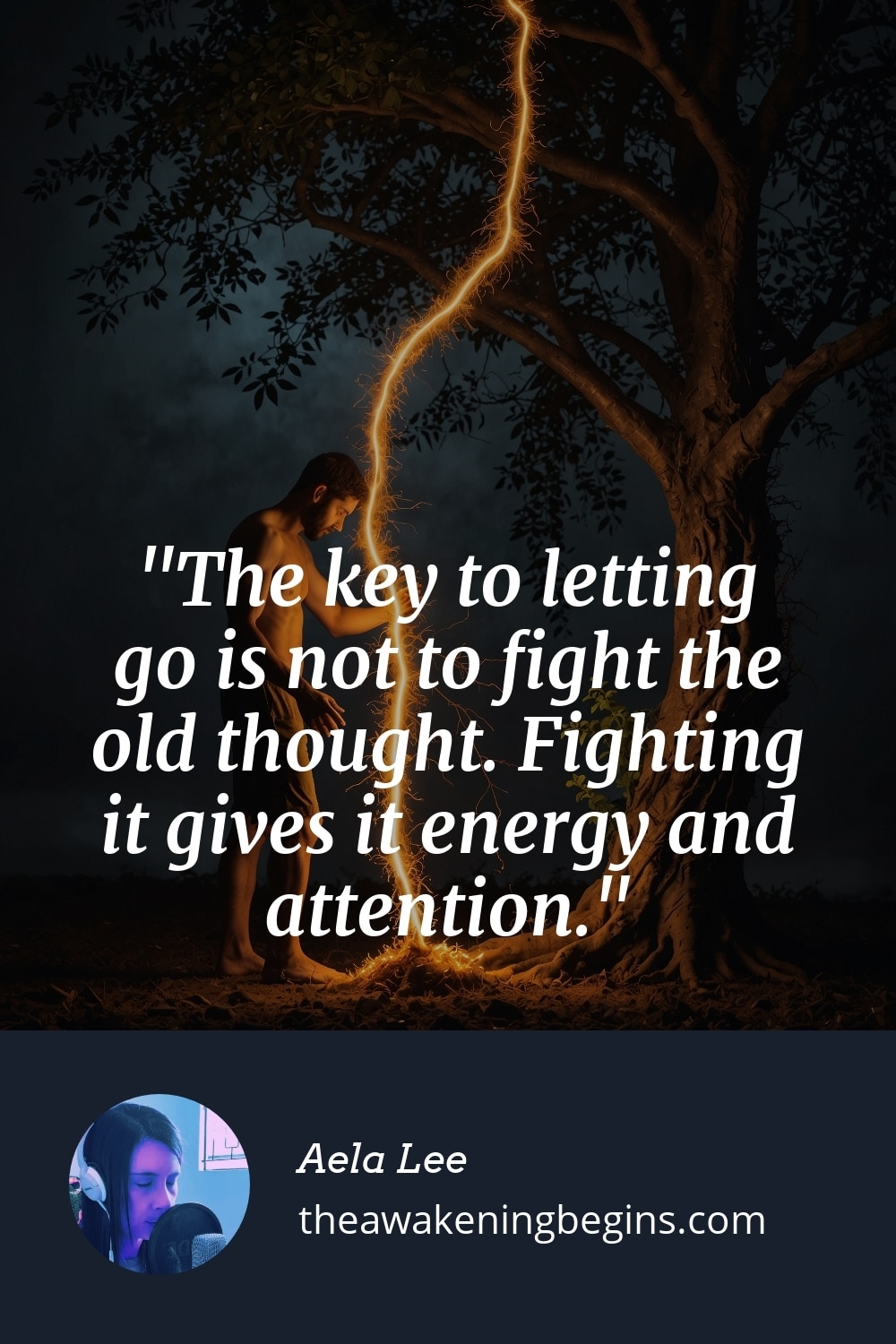
The key to letting go is not to fight the old thought. Fighting it gives it energy and attention, strengthening the very connection you want to weaken.
Instead of battling the old story, the true key is to build a stronger, more compelling pathway. You don’t eliminate the old reality by force. You make the new one so interesting and energized that the old one naturally fades away from lack of use.
A Practical Guide to The Neuroscience of Letting Go
Here is a simple yet powerful practice you can use to consciously assist your brain’s natural pruning process and actively build the new reality you desire.
- Acknowledge and Neutralize the Old Pathway. Write down the belief or memory you want to redesign. For example, “I’m not worthy of success.” Don’t fight it or judge it. Instead, thank it. You might say, “Thank you for trying to protect me. Your job is done now, and you can rest.” Then, physically draw a heart around it. This simple act helps neutralize the emotional charge and prepares the ground for something new.
- Seed the New Pathway. Clearly define the new direction you are choosing. Create a clear, positive statement. For example, “I am building the new neural pathway for inevitable success.” This is your new focal point.
- Energize the New Path. This is the most crucial step. Your job now is to consistently feed energy to this new neural pathway. Visualize what inevitable success looks like. Feel the emotions associated with it. Journal about it as if it’s already happening. Most importantly, take one small action from that new place of being. Walk in that new energy.
Every time you consciously choose to focus on the new thought instead of the old one, you’re sending a clear signal to your brain, “This is where the energy needs to go now.” You must constantly reinforce this choice. This conscious practice is a powerful way to begin dismantling old beliefs. For those dealing with particularly stubborn or repeating patterns, exploring techniques specifically designed to break free from self-sabotage can provide even deeper support. Be sure to check the schedule on the registration page for the next available training.
Letting Go is Active Creation
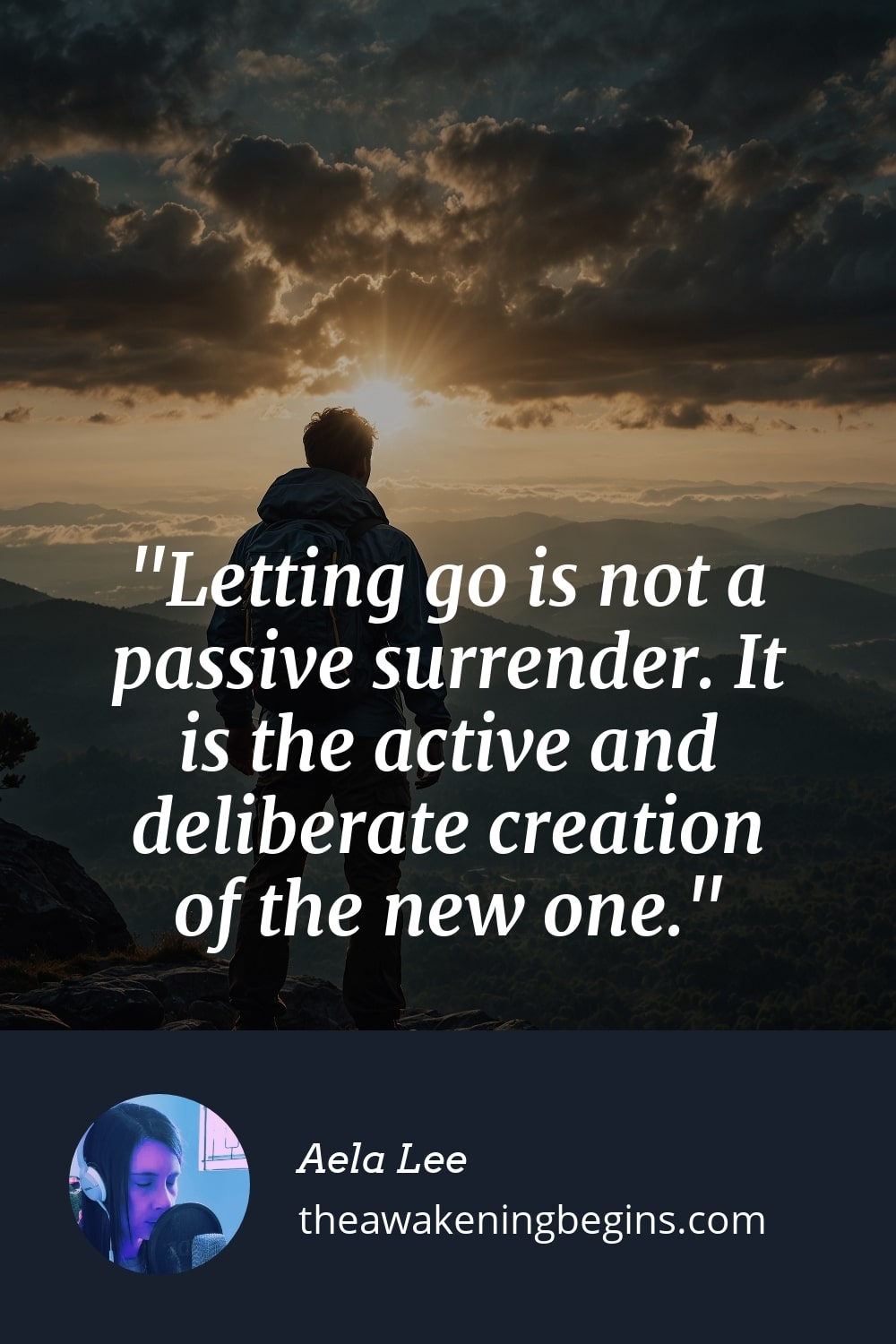
Ultimately, letting go is not a passive surrender. It is the active and deliberate creation of the new. It’s about choosing your new reality and then walking, thinking, and acting as that new you. You have the power to consciously direct your brain’s natural processes to create lasting change. Let’s go.